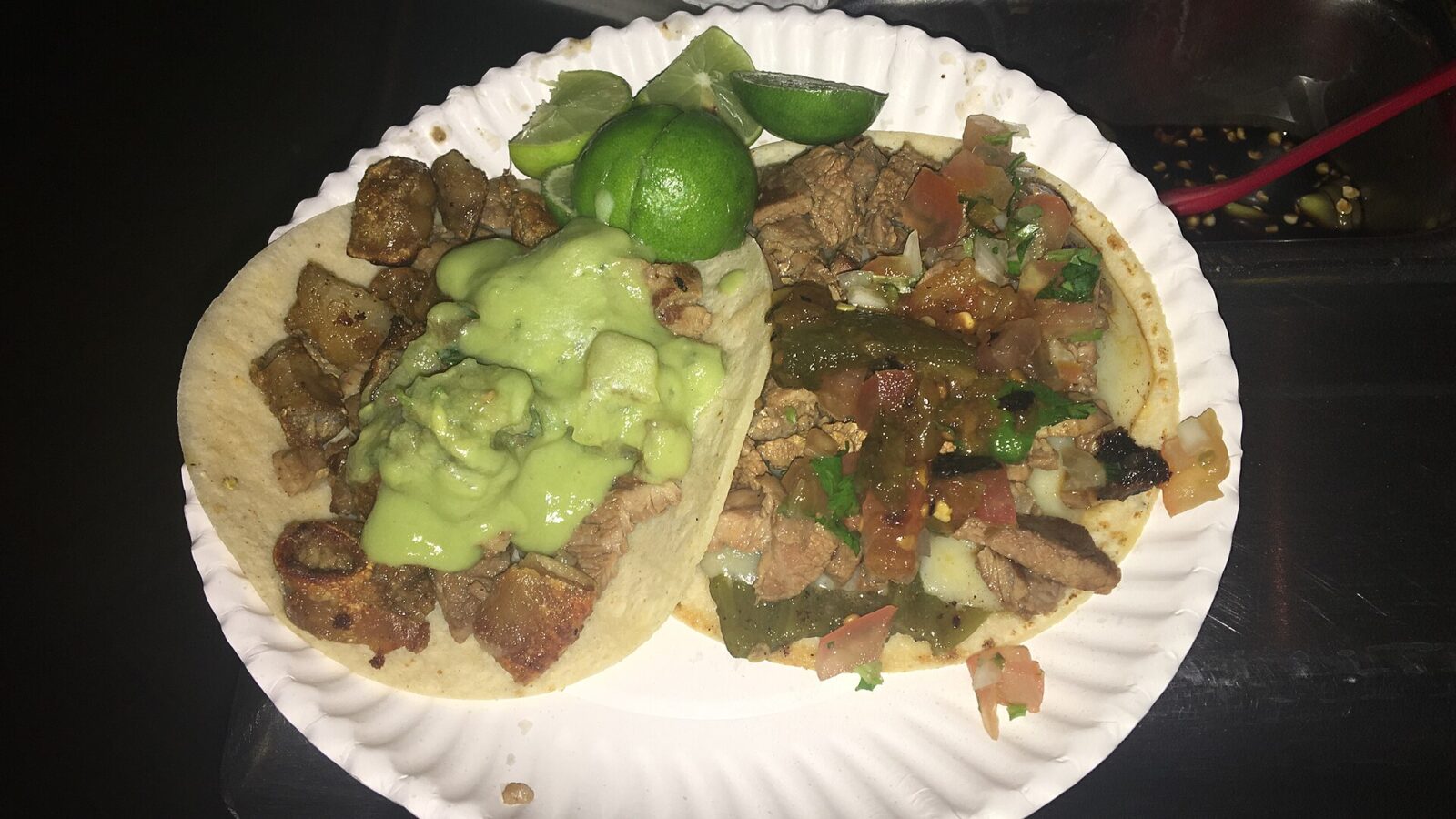
Skillet Night Grocery Staples
If your weeknight rotation is Mexican → American → Asian, the grocery list should not reinvent itself every Sunday. A stable pantry plus a short fresh list is what makes 20–40 minute skillet dinners possible when you get home tired. This is not a prepper bunker. It is the minimum that covers taco skillets, lemon-garlic chicken, sausage and rice, coconut curry, and a shrimp fried-rice salvage night without a second store run.
Shop your fridge and freezer first. Then fill gaps. Buy spices in amounts you will finish in a year — stale cumin is why homemade “taco seasoning” tastes like dust.
Pantry core (buys you most dinners)
Oils and fat. Neutral oil (canola, avocado, or vegetable) for high-heat searing. Olive oil for finishing and lower-heat sauté. Unsalted butter for pan sauces and garlic-butter pasta. Toasted sesame oil in a small bottle — a teaspoon at the end of an Asian skillet, not a frying fat.
Acids. Distilled white vinegar, apple cider vinegar, rice vinegar. Lemons and limes belong in produce; bottled lime juice is an emergency only. A jar of Dijon mustard pulls double duty in American pan sauces and dressings.
Salty/umami bottles. Low-sodium soy sauce or tamari. Fish sauce (a few drops wake up curry and fried rice). Hot sauce you actually like. Worcestershire for American skillet gravies and burger-style ground beef. Tomato paste — fry it in oil before liquid so it tastes cooked, not tinny.
Cans and jars. Black beans, chickpeas, diced tomatoes, coconut milk (full-fat for curry), salsa you would eat with chips. Chicken or vegetable stock (cartons or Better Than Bouillon). These turn browned meat into a full skillet.
Starches. Long-grain white rice, plus one backup: tortillas, orzo/short pasta, or microwaveable rice pouches for scramble nights. Cornstarch for quick glossy Asian-style sauces (1 tsp starch + 1 Tbsp cold water).
Dry aromatics and spices. Kosher salt, black pepper, chili powder, ground cumin, smoked paprika, garlic powder, onion powder, dried oregano, red pepper flakes, and curry powder or garam masala if you cook South Asian-leaning skillets.
That spice block covers Mexican nights (chili, cumin, oregano, smoked paprika), American comfort (paprika, pepper, oregano, garlic powder), and a lot of Asian-leaning weeknight food when paired with soy, ginger, and sesame oil.
Fridge staples that earn their shelf space
Alliums. Yellow onions and garlic always. Green onions for Asian finishes and taco garnish. A shallot if you make pan sauces often.
Dairy. Milk or half-and-half for creamy tomato pasta skillets. A block of cheddar or Monterey Jack you shred yourself. Parmesan for American pasta nights. Plain yogurt or sour cream for taco toppings and cooling curry.
Fresh flavor. Cilantro or parsley — pick one bunch based on the week’s recipes. Ginger root keeps for weeks in the fridge or freezer; grate frozen. A small cabbage or bag of coleslaw mix stretches taco and stir-fry nights.
Eggs. Fried-rice rescue, quick breakfast-for-dinner skillet. Keep a dozen.
Tortillas. Fridge or counter per package directions. Stale tortillas revive in a dry hot skillet.
Freezer: the weeknight insurance policy
Proteins. Ground beef or turkey in 1-lb flat packs (thaw fast). Boneless chicken thighs. Raw shrimp. A smoked or Italian sausage pack. Thaw in the fridge overnight or under cold water in a sealed bag — never cook a solid brick of ground beef and expect even browning.
Vegetables. Frozen corn, peas, spinach, broccoli florets. They are not inferior for curry, taco skillets, or fried rice. Do not thaw corn or peas before they hit the pan.
Rice. Extra cooked rice frozen flat in bags. Day-old or frozen rice makes better fried rice than fresh sticky rice.
Aromatics backup. Frozen crushed garlic or ginger cubes if fresh runs out. Not as good as fresh; better than skipping.
Fresh list by rotation (buy for the next 4–5 days)
Mexican skillet week: cilantro, limes, jalapeño or bell peppers, avocado day-of, salsa if you are out, tortillas, ground meat or beans.
American comfort week: broccoli or green beans, lemons, mushrooms or potatoes, cream if needed, chicken or sausage.
Asian-leaning week: ginger, green onions, cabbage or snap peas, limes, soy sauce top-up, shrimp or chicken, rice if the canister is low.
You do not need separate “ethnic aisle” hauls every week. Overlap is the point: onion, garlic, oil, stock, rice, and a protein show up in all three. The accent bottles and herbs change; the skeleton does not.
What not to stockpile
Specialty pastes you will use once. Five kinds of vinegar. Giant spice sets with taco packets that are mostly salt. Pre-marinated meats that expire before you open them. Huge bags of salad mix that turn to sludge by Wednesday.
If an ingredient only appears in one recipe you cook twice a year, buy it the week you cook that recipe.
Tie it back to the skillet
A working staple list means deglazing with stock you already own, finishing with butter that is not freezer-burned, and pivoting when plans change — chickpea coconut curry when the chicken is still frozen, taco skillet when the cilantro is still alive, sausage and peppers when you need dinner in 25 minutes. Weeknight cooking is logistics plus heat. The staples handle logistics. The skillet handles heat.
Keep the list on your phone. Cross off what you have. Shop the gaps. That is the whole system.
Keep the rotation going with more weeknight mains.