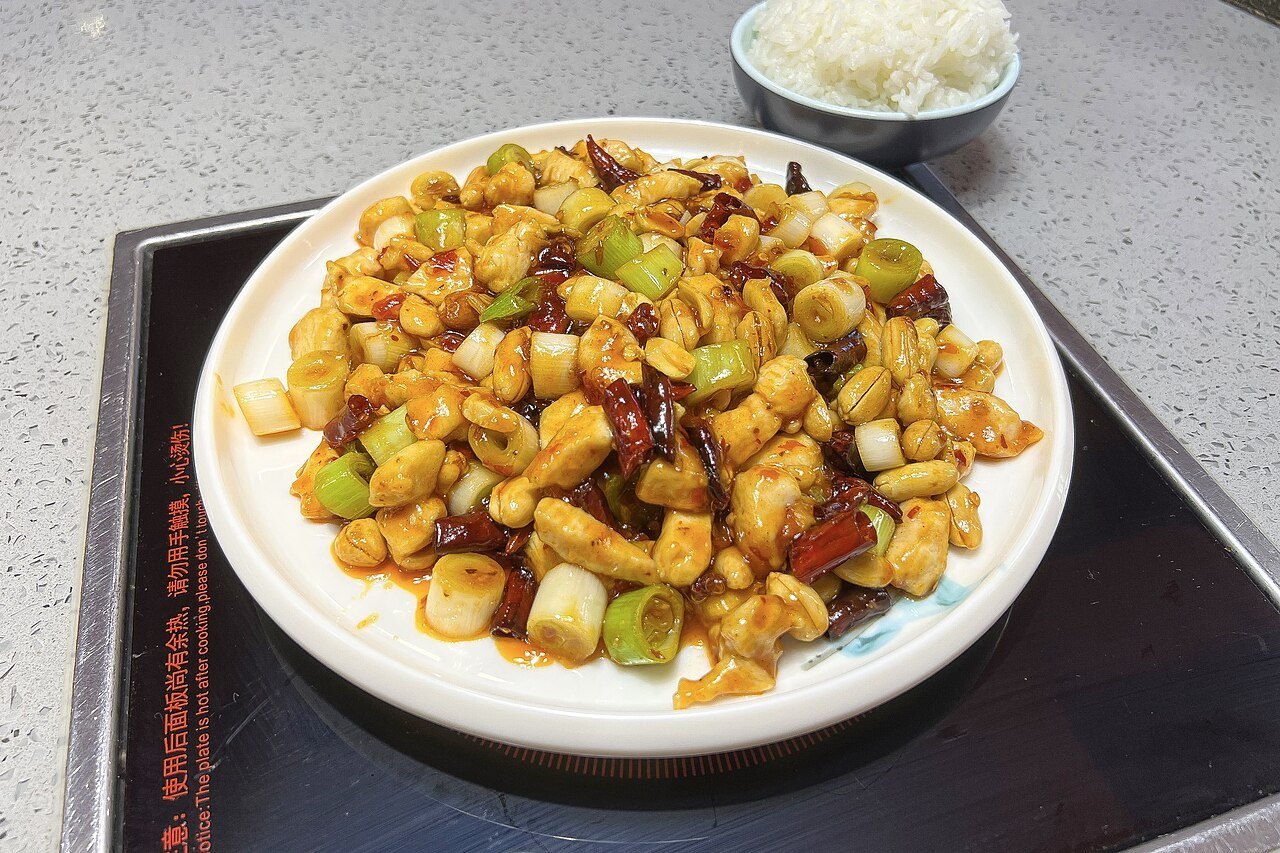
Kung pao chicken is the takeout order everyone has an opinion on. The Sichuan original is all about balance: small pieces of chicken, toasted dried chiles, crunchy peanuts, and a sauce that is salty, a little sweet, and pleasantly sour from black vinegar, with a buzz of Sichuan peppercorn. It isn’t drowning in brown gravy, and that is exactly why it’s so good.
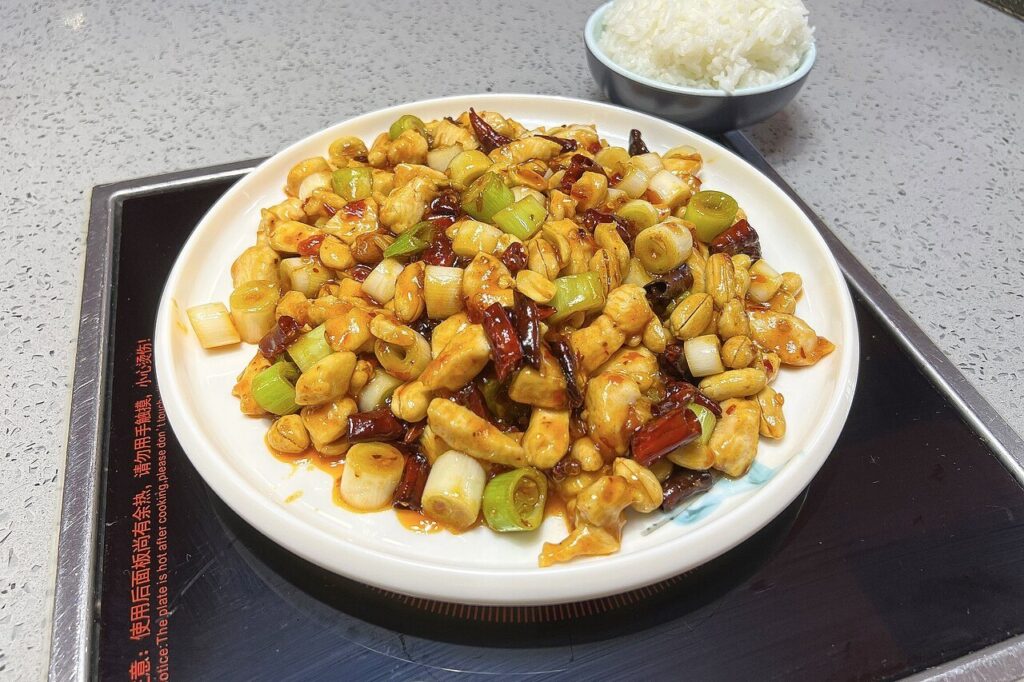
Photo: N509FZ via Wikimedia Commons, CC BY-SA 4.0
You don’t need a wok. A 12-inch skillet over high heat does the job if you cook the chicken in a single layer and have every ingredient measured before you turn on the stove — the actual cooking takes about 10 minutes and moves fast.
Prep: 15 min · Cook: 12 min · Total: 27 min · Serves: 4
Ingredients
Chicken and marinade
- 1 1/4 lb (570 g) boneless, skinless chicken thighs, cut into 3/4-inch pieces
- 1 Tbsp (15 ml) soy sauce
- 1 tsp Shaoxing wine or dry sherry
- 2 tsp cornstarch
Sauce
- 1 1/2 Tbsp (22 ml) Chinkiang black vinegar (or 1 Tbsp rice vinegar plus 1 tsp balsamic)
- 1 Tbsp (15 ml) soy sauce
- 1 Tbsp (12 g) sugar
- 1 tsp cornstarch
- 3 Tbsp (45 ml) water or chicken broth
- 1 tsp toasted sesame oil
Stir-fry
- 2 Tbsp (30 ml) neutral oil, divided
- 8–12 dried red chiles (such as chiles de árbol), stemmed and snipped in half, seeds shaken out
- 1 tsp Sichuan peppercorns, optional
- 3 garlic cloves, thinly sliced
- 1 Tbsp (6 g) minced fresh ginger
- 6 scallions, white and light green parts cut into 1/2-inch pieces, greens sliced for garnish
- 1 small red bell pepper or 2 celery ribs, diced, optional
- 1/2 cup (70 g) roasted unsalted peanuts
- Steamed rice, for serving
Method
- Toss the chicken with the soy sauce, Shaoxing wine, and cornstarch in a bowl. Let it sit while you prep everything else (10–15 minutes is plenty).
- Whisk the sauce ingredients together in a small bowl until the sugar and cornstarch dissolve. Line up the chiles, peppercorns, garlic, ginger, scallion pieces, and peanuts next to the stove.
- Heat 1 Tbsp oil in a 12-inch skillet over high heat until it just begins to smoke. Add half the chicken in a single layer and let it sear undisturbed 2 minutes, then stir and cook 1–2 minutes more until browned and just cooked through. Transfer to a plate and repeat with the remaining chicken (add a little more oil if the pan looks dry).
- Turn the heat down to medium. Add the remaining 1 Tbsp oil, the dried chiles, and Sichuan peppercorns. Stir 20–40 seconds, just until the chiles darken a shade and smell toasty. Watch closely — burnt chiles turn bitter fast.
- Add the garlic, ginger, scallion pieces, and bell pepper or celery if using. Stir-fry 1 minute.
- Return the chicken to the pan, turn the heat back to high, and give the sauce a quick stir. Pour it in and toss for 30–60 seconds, until the sauce turns glossy and coats every piece.
- Toss in the peanuts, scatter the scallion greens, and serve immediately with rice. Warn your table that the whole chiles are for flavor, not for eating (unless they’re brave).
Cook's note
Cooking the chicken in two batches is the single biggest difference between restaurant-style browned chicken and pale, steamed chicken. A crowded pan drops in temperature, the chicken releases water, and you lose the sear. It costs you three extra minutes and is worth it.
Swaps and variations
- Chicken breast: Works, but pull it as soon as it’s just cooked — breast dries out faster than thighs.
- Shrimp or tofu: Use 1 1/4 lb peeled shrimp (cook 1–2 minutes per batch) or extra-firm tofu, pressed and cubed, tossed in cornstarch and browned well.
- Nut-free: Swap the peanuts for roasted sunflower seeds, or skip them and add extra vegetables.
- Less heat: Use 4–5 chiles and leave them whole; the dish will be fragrant but mild.
What to serve with it
Plain jasmine or long-grain rice is all you need. If you want a vegetable side, a quick plate of stir-fried green beans or a smashed cucumber salad with rice vinegar and sesame oil is the perfect cool, crunchy counterpoint.
Storage and reheating
Refrigerate up to 3 days. The peanuts soften over time, so if you’re planning leftovers, keep a few aside and add them after reheating. Reheat in a hot skillet for 2–3 minutes with a splash of water, or microwave in short bursts. Freezing isn’t recommended — the chicken texture suffers.
Troubleshooting
- Sauce clumpy? The cornstarch settled. Always re-stir the sauce right before it goes in the pan.
- Bitter taste? The chiles or garlic scorched. Lower the heat before adding them, and keep them moving.
- Chicken not browning? The pan wasn’t hot enough or was overcrowded. Preheat until the oil shimmers and cook in batches.
FAQ
Can I make kung pao chicken in a regular skillet?
Yes — a 12-inch stainless, cast iron, or carbon steel skillet works well. Nonstick is fine too, but keep it below its maximum heat rating.
What is Chinkiang vinegar?
A dark, malty Chinese black vinegar made from rice and grains. It gives kung pao its signature tang. Balsamic plus rice vinegar is a reasonable stand-in.
Do I have to use Sichuan peppercorns?
No. They add the tingly, citrusy numbing that’s classic in the original, but the dish is still very good without them.
More weeknight ideas
For another fast high-heat stir-fry, try our 20-Minute Beef and Broccoli Stir-Fry or the kid-friendly Sesame Chicken and Green Beans. And if your chicken never seems to brown, How to Sear Chicken in a Skillet Without Steaming It fixes that for good.